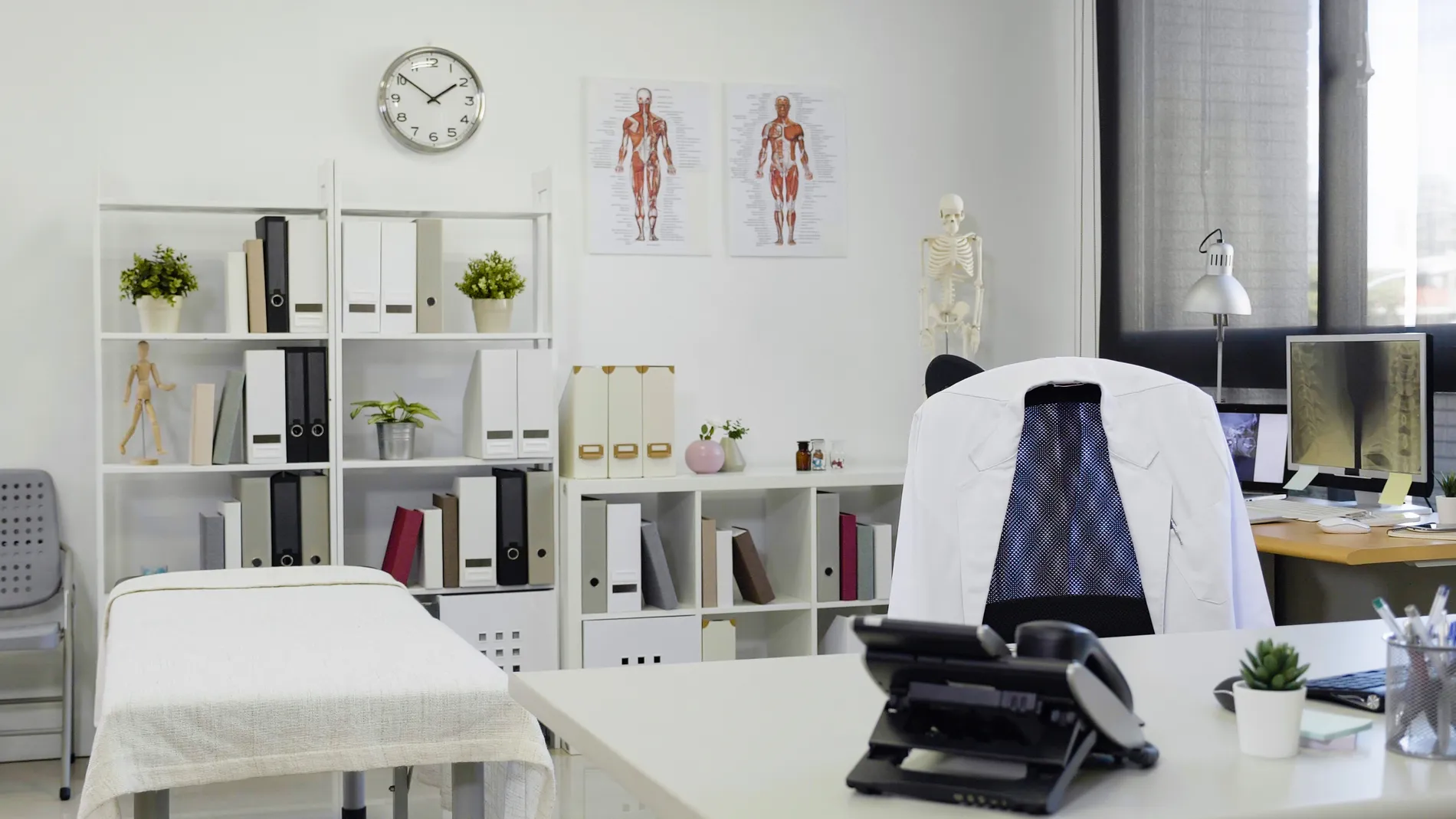
A well-designed medical office building plays a critical role in modern healthcare. But what is a medical office building exactly? It is a specialized facility designed to accommodate healthcare professionals, clinics, and patient-focused services in one functional space. Unlike standard office spaces, medical office buildings are built with unique requirements in mind, such as patient comfort, accessibility, and compliance with strict healthcare regulations.
These buildings are carefully planned and executed by medical office architects and supported by experienced medical office contractors who understand the complexity of healthcare construction. The goal is to create an environment that enhances both patient experience and operational efficiency.
The Purpose and Function of a Medical Office Building
Medical office buildings are more than just workspaces for doctors and healthcare providers. They are designed to streamline patient care while improving workflow for staff. Features like dedicated waiting areas, private consultation rooms, treatment spaces, and advanced equipment zones are all carefully integrated during the planning process.
Whether it’s a single-practice facility or a multi-specialty center, these buildings provide a structured environment where healthcare professionals can offer seamless care. This is where custom medical office design becomes essential, ensuring every square foot serves a purpose while maintaining a welcoming atmosphere for patients.
Planning and Design: Where Function Meets Innovation
A successful medical office building begins with proper planning and detailed design. Medical office architects collaborate closely with healthcare providers to ensure the layout supports both operational needs and patient flow. Everything from lighting and ventilation to accessibility and safety standards must be considered.
Key Elements of Modern Medical Office Buildings
-
Efficient space utilization for treatment areas, offices, and waiting rooms
-
Patient-centered design that focuses on comfort and ease of navigation
-
Compliance with regulations to meet healthcare and building codes
-
Integration of advanced technology to support diagnostic and treatment equipment
Professional medical office contractors work alongside architects and designers to bring these concepts to life, ensuring construction meets the highest standards.
The Role of Renovation and Remodeling
Not every medical office building requires new construction. Many facilities undergo medical office renovation or medical office remodeling to improve functionality and meet modern standards. Upgrading an existing space can improve patient experiences, enhance efficiency, and accommodate growing practices.
With a focus on custom medical office design, renovations allow healthcare professionals to create spaces that reflect their brand while adapting to changing industry needs. Whether it’s updating reception areas, expanding treatment rooms, or improving accessibility, remodeling offers an efficient solution without starting from scratch.
Why Choosing the Right Team Matters
Designing and constructing a medical office building is a highly specialized process. Working with experts who understand the healthcare industry ensures a smooth, compliant, and efficient project. From start to finish, experienced medical office contractors and architects provide seamless coordination, cost control, and attention to every detail.
Partnering with the right team guarantees a facility that functions well, looks modern, and supports high-quality patient care for years to come.
Ready to Build or Renovate Your Medical Office?
At LARX GROUP Design & Build, we specialize in custom medical office design, construction, and renovation across Chicago and the suburbs. Whether you’re planning a new facility or upgrading your existing space, our team delivers modern, functional, and compliant solutions tailored to your needs.
📞 Let’s discuss your project and bring your vision to life.
💻 Contact us today to schedule a consultation.
🏥 Build a space designed for success and patient comfort.